


Master Safe Dog Walking Practices: Your Guide to Safe Dog Walking Tips
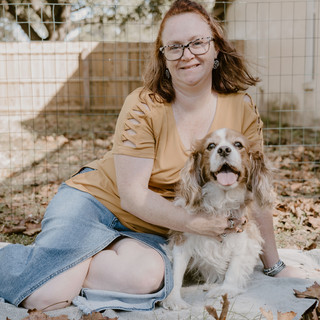
Walking your dog is one of the most rewarding parts of pet parenting. It’s a chance to bond, explore the neighborhood, and keep your furry friend healthy and happy. But it’s also a time when safety should be your top priority. I’ve learned that mastering safe dog walking practices not only protects your dog but also gives you peace of mind. Let’s dive into some practical, easy-to-follow tips that will make every walk enjoyable and secure.
Why Safe Dog Walking Tips Matter
Walking your dog might seem simple, but it comes with responsibilities. Dogs can get distracted, scared, or excited, which can lead to unexpected situations. Knowing how to handle these moments safely is key. For example, a sudden loud noise might startle your dog, causing them to pull or dart away. Or, encountering another dog might lead to a tense interaction if you’re not prepared.
By following safe dog walking tips, you reduce risks like traffic accidents, lost pets, or injuries. Plus, you create a positive experience that encourages good behavior. It’s about being proactive and prepared, so you and your dog can enjoy every step together.
Essential Safe Dog Walking Tips to Follow
Here are some of the best practices I use every time we take a dog out. These tips are simple but powerful.
Use the right leash and collar: A sturdy leash about 4 to 6 feet long gives you control without restricting movement. Harnesses are often safer and more comfortable than collars, especially for dogs that pull. Retractable Leashes does not provide the control you need for a walk.
Keep your dog visible: If you walk early in the morning or late at night, use reflective gear or LED collars. This helps drivers and cyclists see you.
Stay alert and avoid distractions: Put your phone away or keep it on silent. Watch your dog and surroundings closely.
Pick safe routes: Choose paths with sidewalks, low traffic, and good lighting. Avoid areas with broken glass, sharp objects, or aggressive animals.
Bring water and waste bags: Hydration is important, especially on warm days. Always clean up after your dog to keep the community clean. Dogs can have microorganisms in the fecal that kids and other pets could get.
Train basic commands: Teach your dog to “sit,” “stay,” and “come.” These commands can prevent dangerous situations. It's recommended to also teach "Leave it" or "Drop it".
Watch for signs of stress or fatigue: If your dog seems tired, panting heavily, or anxious, it’s time to head home or take a break.
These tips are easy to remember and make a big difference in safety and enjoyment.

What is the 5 Second Rule for Walking Dogs?
You might have heard about the “5 second rule” when it comes to dog walking. It’s a simple but effective guideline to help you stay in control and keep your dog safe. The idea is this: whenever your dog pulls or lunges, you have about five seconds to calmly correct the behavior before it escalates.
Here’s how it works in practice:
Notice the pull or lunge immediately.
Stop walking and gently but firmly say “no” or “easy”.
Redirect your dog’s attention with a treat or command.
Resume walking only when your dog is calm and focused on you.
This rule helps prevent your dog from developing bad habits like constant pulling or chasing distractions. It also keeps you both safe by avoiding sudden movements near traffic or other hazards. Remember, consistency is key. The more you practice this, the better your dog will respond.
Preparing for Different Weather Conditions
Weather can change quickly, especially here in Hillsborough and Pasco County. Being prepared for rain, heat, or cold is part of safe dog walking practices.
Hot weather: Walk early in the morning or late in the evening to avoid the heat. Asphalt can burn paws, so test the ground with your hand. Bring water and offer it often.
Rainy days: Use a waterproof leash and consider a dog raincoat. Watch out for slippery surfaces and puddles that might hide hazards.
Cold weather: Some dogs need booties or sweaters to stay warm. Shorten walks if your dog shows signs of discomfort.
Adjusting your walk to the weather keeps your dog comfortable and prevents health issues like heatstroke or frostbite.

Handling Encounters with Other Dogs and People
One of the trickiest parts of walking a dog is managing interactions with others. Not every dog or person is friendly, and some dogs may feel threatened or overly excited.
Here’s what we do to keep things calm and safe:
Ask before approaching: Always check with the other dog’s owner before letting your dog say hello.
Keep a safe distance: If you sense tension, cross the street or take a different path.
Use commands: Ask your dog to “sit” or “stay” if another dog approaches.
Stay calm: Dogs pick up on your energy. If you’re relaxed, your dog is more likely to be calm too. Keep the leash loose, but still able to have control.
Avoid crowded areas: If your dog is nervous or reactive, choose quieter routes.
These steps help prevent fights and keep everyone safe and happy.
Why Consistency and Routine Matter
Dogs thrive on routine. When you establish a consistent walking schedule and follow safe dog walking practices every time, your dog feels secure and knows what to expect. This reduces anxiety and improves behavior.
Try to walk your dog at the same times each day. Use the same commands and reward good behavior consistently. Over time, your dog will learn to walk calmly and respond to your cues, making every outing more enjoyable.
Walking your dog safely is a gift you give both your furry friend and yourself. It’s about being prepared, staying alert, and showing your dog love and respect on every step of the journey. If you are interested in our dog walking services, please check out https://www.rustysfurrycompanions.com/dog-walking to learn more!
By mastering these safe dog walking practices, you’re not just protecting your dog—you’re building a stronger, happier bond that lasts a lifetime. So grab that leash, take a deep breath, and enjoy the walk!


Comments