


How to Cope with Pet Bereavement and Heal After Losing a Beloved Companion
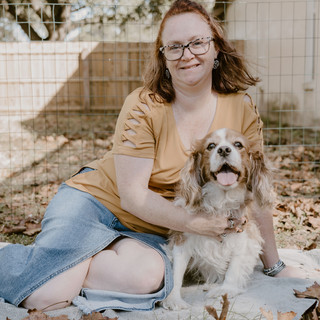
Losing a pet can shake the whole shape of daily life. The quiet spot by the door, the empty food bowl, the walk you no longer take at 7 a.m., these small absences can hurt as much as the final goodbye.
That grief is real. For many people, a pet is family, routine, comfort, and unconditional love all in one. If the loss is fresh, the pain may feel raw and physical. If it happened years ago, certain dates, smells, places, or memories may still bring tears. Neither response means you are “stuck” or overreacting. It means the bond mattered.
Pet Bereavement support can help you move through that grief with care, whether your loss happened yesterday or long ago.

Grieving a pet is normal and valid
Some people still minimize pet grief. They may say, “It was just a dog,” or “You can get another cat.” Those comments can make a painful loss feel even more lonely.
The truth is simple: love creates grief. Pets share our homes, our routines, and often our hardest seasons. They are there after a long workday, through illness, moves, breakups, family changes, and quiet mornings when no one else is around.
Pet Loss can also bring a kind of grief that people do not always see. You may be grieving:
The companionship your pet gave every day
The role of caregiver, especially if your pet was sick or aging
The routine that gave your life structure
The future you expected to have together
A sense of safety, comfort, or purpose
There is no correct timeline. Some people cry often for weeks. Some feel numb at first and break down later. Some seem fine until they find a toy under the couch. Grief moves in waves, not in a straight line.
Let yourself feel what comes up
Trying to “be strong” can turn grief into pressure. You do not have to explain away your sadness or rush past it.
Give yourself permission to feel whatever is present:
Sadness
Anger
Guilt
Relief, especially after a pet has suffered
Loneliness
Confusion
Gratitude
Even moments of laughter
Guilt is especially common after a pet dies. Many owners replay decisions and ask, “Did I do enough?” or “Did I wait too long?” These thoughts often come from love, not failure.
If you made decisions with your pet’s comfort in mind, you acted from care. If circumstances were sudden or imperfect, that does not erase the years of love you gave.
A helpful question to ask is:
“If a friend told me this same story, would I judge them as harshly as I am judging myself?”
Most of the time, the answer is no.
Create a simple way to say goodbye
A memorial does not need to be large or formal. It only needs to feel meaningful. Rituals help the heart understand what the mind already knows.
You might:
Light a candle on the day your pet passed
Print a favorite photo and place it somewhere special
Keep a collar, tag, blanket, or toy in a memory box
Write your pet a letter
Plant flowers in their honor
Make a small donation to an animal shelter
Share stories with someone who knew and loved them
If children are grieving too, include them in an age-appropriate way. Let them draw a picture, choose a photo, or say what they loved most. Simple, honest language is usually best. Avoid phrases like “went to sleep,” which can confuse young children.

Keep caring for yourself in small ways
Grief can disrupt sleep, appetite, focus, and energy. Basic care may feel hard, but small steps matter.
Try to build gentle support into the day:
Keep one routine.
If mornings feel empty without feeding or walking your pet, replace that time with something steady. Make tea, sit outside, take a short walk, or journal for five minutes.
Eat something simple.
Grief can make cooking feel like too much. Choose easy foods that still nourish you, such as soup, toast, eggs, fruit, yogurt, or a sandwich.
Move your body lightly.
A short walk can help release tension. You do not need a workout plan. Just step outside if you can.
Rest without guilt.
Grief is tiring. Your body may need more sleep, quiet, or time away from extra demands.
Limit unhelpful input.
If someone dismisses your pain, you do not have to keep explaining it. Seek out people who understand the role your pet played in your life.
Talk to someone who understands animal grief
Pet grief can feel isolating because not everyone understands the depth of the bond. That makes support especially important.
A pet bereavement service can offer a safe place to speak openly without worrying that your grief is “too much.” Rusty's Furry Companions is here for you.
Support may be helpful if:
You cannot talk about your pet without intense distress
You feel stuck in guilt or regret
Your home feels unbearable without them
You are grieving a pet from years ago and still feel alone with it
You had to make an end-of-life decision and keep replaying it
You have lost more than one pet in a short time
Support is not only for crisis moments. It can also help you honor the relationship, understand your grief, and find ways to keep your pet’s memory close while slowly reentering daily life.
If grief begins to feel unsafe, or if you have thoughts of harming yourself, reach out for urgent help right away. In the U.S., you can call or text 988 for immediate mental health crisis support.
Honor the bond without rushing to “move on”
Healing does not mean forgetting. It does not mean packing everything away before you are ready or adopting another pet before your heart has space.
Some people find comfort in adopting again soon. Others need months or years. Some never feel ready, and that is okay. A new pet does not replace the one who died. Love is not a swap. It grows in its own time.
You can keep your pet connected to your life in gentle ways:
Say their name when you think of them
Celebrate their birthday or adoption day
Keep a favorite photo visible
Tell stories about their quirks
Visit a place you enjoyed together
Use what they taught you to care for another animal someday, if that feels right
The goal is not to erase grief. The goal is to carry love with less pain over time.
Losing a beloved companion changes you because loving them changed you first. Be patient with the ache. Let the memories come. Accept support when the days feel heavy. Your grief is a reflection of a real relationship, and it deserves tenderness, respect, and care.


Comments